Creating a Balanced Meal Plate: Your Guide to Nutritious Eating
5/11/20262 min read


Introduction to a Balanced Meal Plate
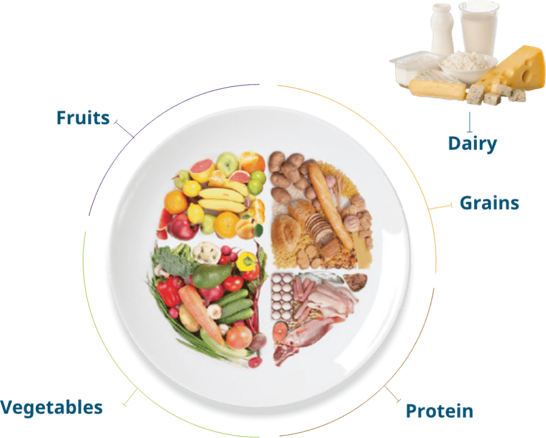
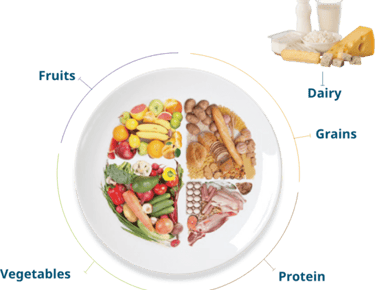
A balanced meal plate is a practical visual guide that helps you portion your food correctly. By following the guidelines of a balanced plate, you ensure that your body receives all the essential nutrients it needs in a single meal. This guide will walk you through the different sections of a balanced meal plate and what to include in each.
Half of the Plate: Vegetables and Fruits
The largest portion of your plate should be dedicated to vegetables and fruits. Aim to fill half of your plate with a colorful mix of vegetables such as leafy greens like spinach and methi, alongside carrots, beans, gobi, lauki, tomatoes, and capsicum. Including a small portion of fruits is also encouraged. The variety of colors will help you intake a wide range of vitamins, minerals, and antioxidants. It's beneficial to incorporate both cooked and raw vegetables for optimal nutrition.
One Quarter: Whole Grains or Complex Carbohydrates
Next, devote one quarter of your plate to whole grains or complex carbohydrates, which act as your primary energy source. Opt for whole grains instead of refined ones, such as roti made from whole wheat or multigrain atta, brown rice, millets like bajra, jowar, or ragi, as well as oats and quinoa. Whole grains gradually release energy, helping to keep you satiated longer compared to white rice or maida-based foods.
One Quarter: Protein Sources
The remaining quarter of your meal plate should be filled with protein, crucial for building and repairing body tissues. Include sources such as dal, rajma, chana, chickpeas, paneer, tofu, eggs, fish, chicken, or curd in your diet. Vegetarians can achieve a complete protein by combining dal with rice or roti. It’s important to vary your protein sources throughout the week to cover all essential amino acids.
Incorporating Healthy Fats and Dairy
While healthy fats should not occupy a separate portion, they play an essential role in your meal. Incorporate a small amount of healthy fats through a teaspoon of ghee on your roti, cooking oils like mustard, groundnut, or olive oil in moderation, or a handful of nuts and seeds like almonds, walnuts, flax, or chia sprinkled in. Such fats aid in the absorption of fat-soluble vitamins and help maintain a feeling of fullness.
Dairy products or alternatives should accompany your meal, offering crucial calcium. A small bowl of curd, a glass of buttermilk, or milk are excellent options. For those who prefer to avoid dairy, fortified plant milks or sesame seeds can serve as nutritious alternatives.
The Importance of Hydration
While water isn't represented on the plate, it remains a vital component of a healthy diet. Make sure to drink water throughout the day rather than consuming large amounts during meals. Sipping water with your food and drinking more between meals can improve digestion and overall well-being.
Practical Principles for Balanced Eating
Keep in mind that portion sizes will vary depending on individual needs. For example, a toddler's quarter plate of dal will be smaller than an adult's. Aim to cook with minimal oil, avoid deep frying frequently, keep sugar and salt intake low, and prioritize seasonal and local foods for freshness and enhanced nutrition.
In conclusion, remember that a balanced meal plate consists of half vegetables and fruits, one quarter whole grains, one quarter protein, a little healthy fat, dairy on the side, and adequate water intake throughout the day. Following these guidelines will lead you towards healthier eating habits.